 |
|
Welcome Collectors!!
Royal Albert China - Reference Website |
|
|
|
|
Search Google for Royal Albert China
|
|
Royal Albert China - 1894 to Present - Backstamps |
Manufactured in T.C. Wild & Sons Limited, Crown China Works,
High Street,
(later St Marys Works) Longton, Staffordshire, England.
Royal Albert was the trading name of the firm founded
by Thomas
Clark Wild, founded about 1894.
The firm has always been known
for its fine quality bone china |
- 1895 - Thomas Wild and Son. Thomas C. Wild Bought the Albert Works in Longton, Stoke on Trent. Built in 1846 the Albert Works Had been Named after Prince Albert, Queen Victoria's Consort
- 1897 - Thomas Wild & Co. produced a range of Commemorative Pieces for Queen Victoria's Diamond Jubilee, which led to the presentation of a Royal Warrant
|
| |
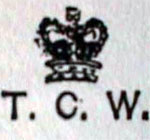
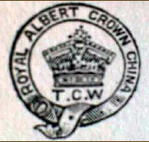
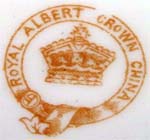
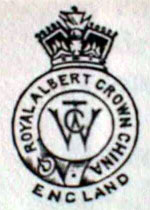
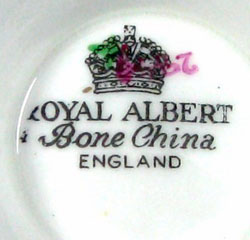
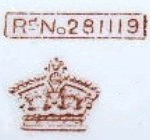
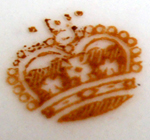
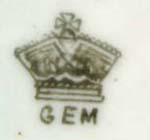
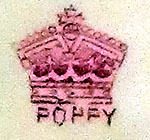
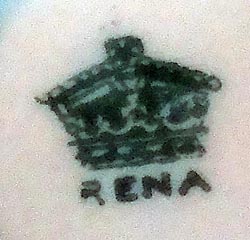
Printed or impressed marks with initials or pattern named or just a crown
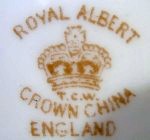
c.1896 - 1904 and was phased out around 1905. |
 |
 |
|
|
 |
|
 |
 |
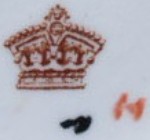 |
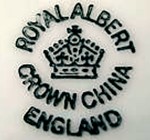
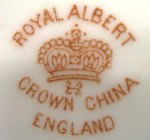
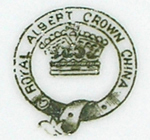
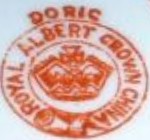
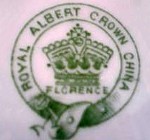
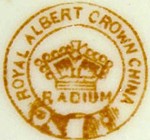
This is the second backstamp used
and for the first time the name "Royal Albert"
Thomas Wild & Co, as a result of the Royal Warrant and for it's many links to the Royal Household to the Name "Royal Albert"
|
|
|
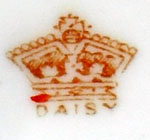
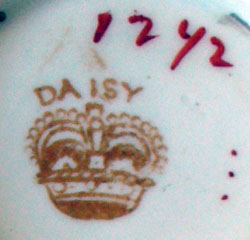
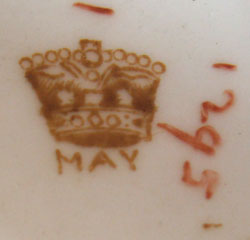
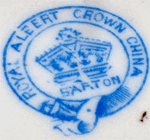
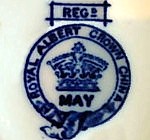
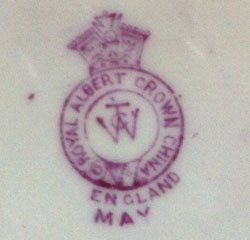
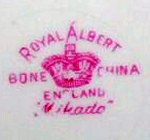
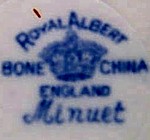
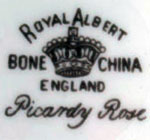
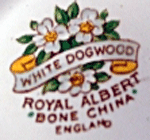
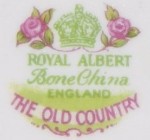
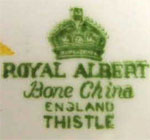
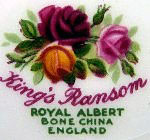
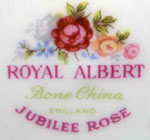
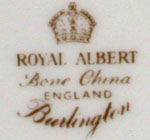
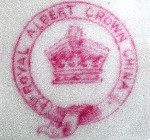
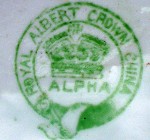
The pattern name if there was one,
was placed on top or inside the backstamp
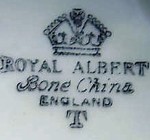
Sometimes the TCW was used or replaced by a pattern name or
if the pattern didn't have a Name it was left blank
|
 |
 |
|
 |
 |
|
|
 |
 |
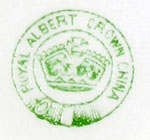 |
Note that different Colored Backstamps were placed with patterns of similar color. |
|
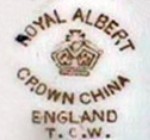
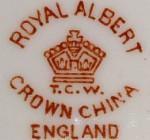
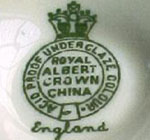
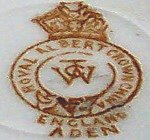
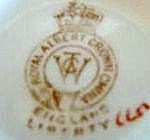
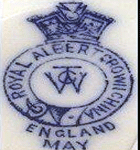
The third backstamp was
introduced
in
1907 - 1922 |
 |
|
 |
 |
 |
T.C.W. |
|
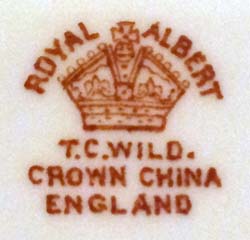
The firm became " &
Sons" in 1917
and a change is backstamps.
This Post WW1 mark shown is
EST: 1917 to 1925 |
|
|
|
 |
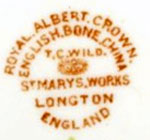
St. Mary's Works |
|
The backs stamp was used before 1925
but references to St Marys Works were used until 1935 |
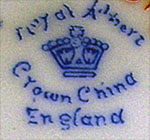
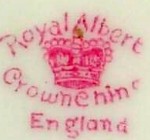
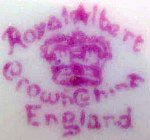
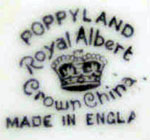
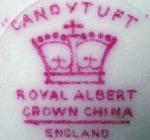
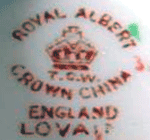
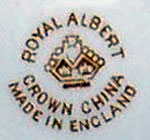
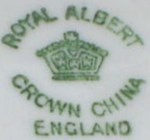
Crown China |
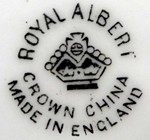
After the TCW was dropped in 1925 to 1927
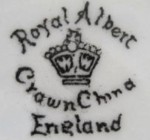
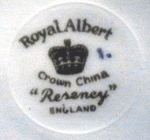
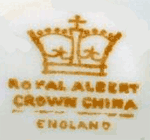
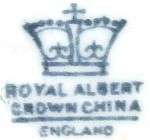
There were several Crown China Backstamps
****Look at the differences in the Crowns***
|
|
|
 |
|
 |
|
 |
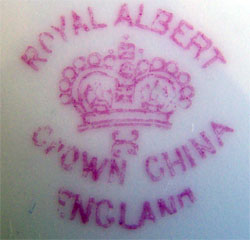 |
Note that different Colored Backstamps were placed with patterns of similar color |
 |
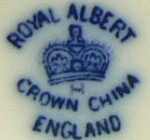 |
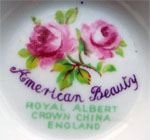
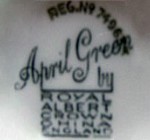
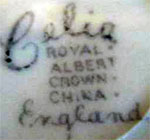
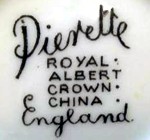
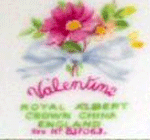
Some Crown China Backstamps had some unique designs EST 1927 to 1935.
|
|
|
 |
 |
|
|
 |
|
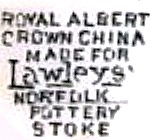
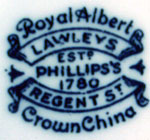
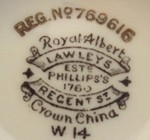
Exclusive patterns made
for sale at
"Lawley's of Regent Street"
and
"Lawley's Norfolk Pottery Store"
EST 1927 - 1935
|
|
|
|
 |
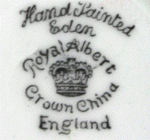 |
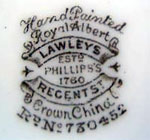
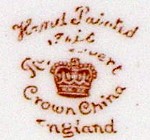
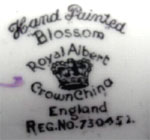
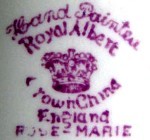
Some Crown Stamps stated that they were " Hand Painted"
EST 1927 - 1935

|
 |
 |
 |
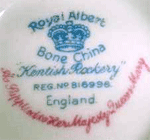
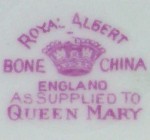
Royal Family - Crown China Stamps |
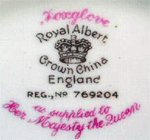 |
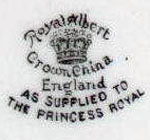
"As Supplied to Her Majesty The Queen"
"As Supplied to Her Majesty The Queen Mary"
"As supplies to the Princess Royal"
EST 1927 - 1935
|
 |
 |
 |
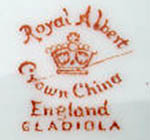
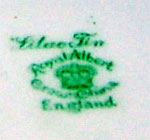
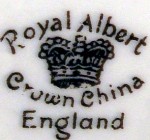
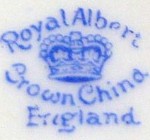
Crown China Backstamps |
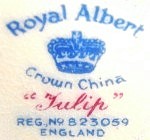 |
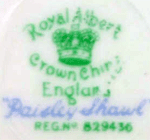
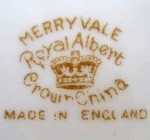
Crown China Stamp
EST 1927 - 1935 |
 |
 |
 |
 |
 |
 |
 |
|
|
|
 |
.The Royal Albert
became incorporated as a Limited Company in 1933. |
|
 |
 |
|
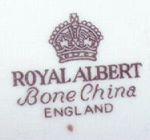
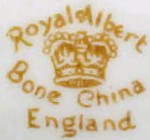
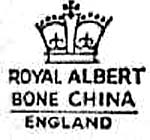
In 1935 the backstamp changed
again, all references to the
Crown China works
had ceased,
and the Bone China theme was taken up.
On these Backstamps the word "Bone"
was swapped
for the word "Crown"
|
EST 1927 - 1935 |
EST Between 1931 to 1935 |
 |
|
|
|
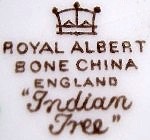
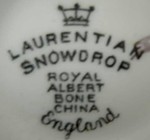
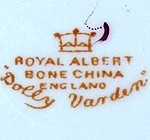
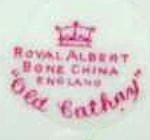
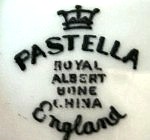
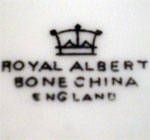
EST Between 1935 to 1940 |
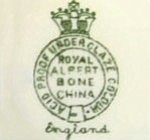
Some of the First Bone China Backstamps |
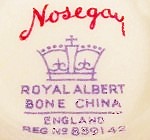 |
EST 1935 to 1940 |
 |
 |
 |
 |
 |
 |
 |
|
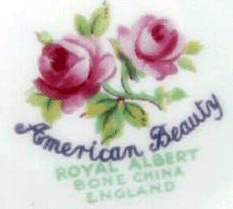
Some Patterns kept the same backstamp and only the words
"Crown" and "Bone" were changed.
"American Beauty"
The Crown China Backstamp dates from 1927
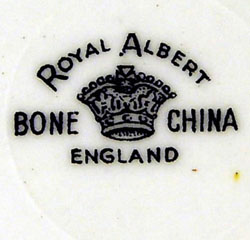
The Bone China Backstamp dates from 1941 to 1998
|
 |
|
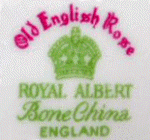
Other patterns changed their Backstamps all together
when changing from "Crown China" to "Bone China"
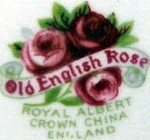
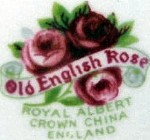
"Old English Rose" |
 |
|
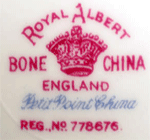
"Petit Point" China Dates from 1932 and the first Backstamp has no reference to
"Crown China" or "Bone China"
the 1940s backstamp was used until the pattern was discontinued in December 2001 |
 |
|
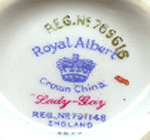
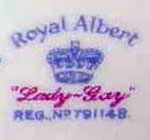
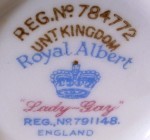
"Lady Gay" was Produced as Crown China as well as with a Backstamp with no reference to either Crown China or Bone china. |
|
 |
 |
|
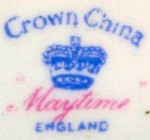
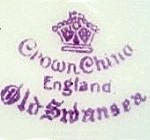
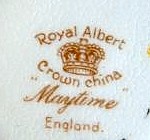
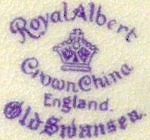
"May Time" and "Old Swansen"
were first produced under the
Royal Albert name then
after 1935 Crown China became it's own company.
|
|
 |
| |
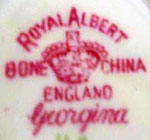
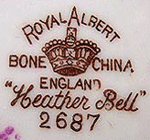
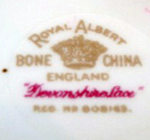
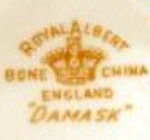
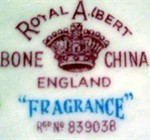
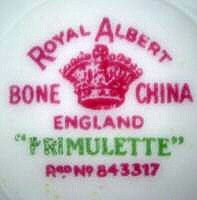
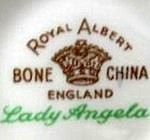
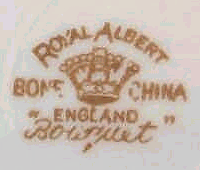
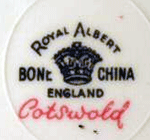
1940s "Bone" China Backstamps |
 |
 |
 |
 |
 |
 |
 |
|
|
|
|
 |
 |
. |
| |
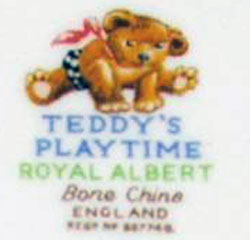
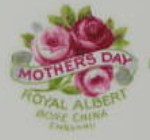
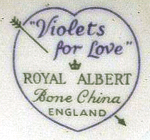
Some Older "Bone China" Backstamps
had some unique designs stamps had some unique designs |
|
|
|
|
 |
|
|
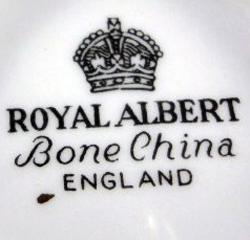
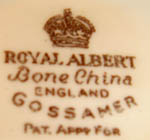
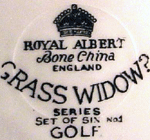
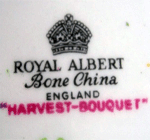
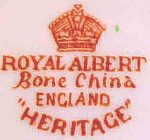
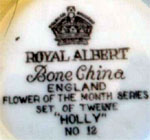
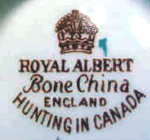
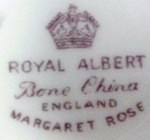
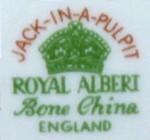
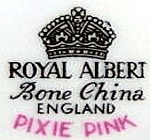
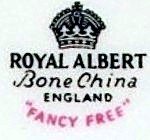
1950s Bone China Backstamp |
 |
 |
 |
 |
 |
 |
 |
 |
|
 |
|
 |
|
 |
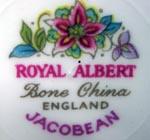
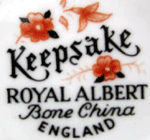
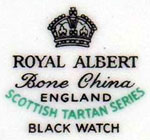
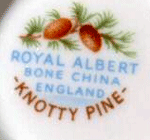
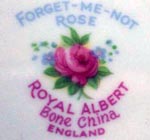
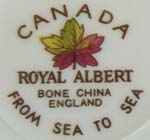
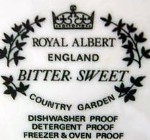
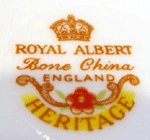
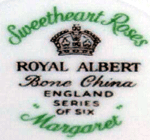
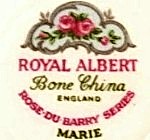
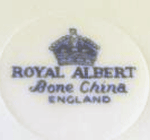
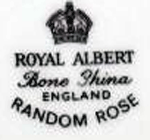
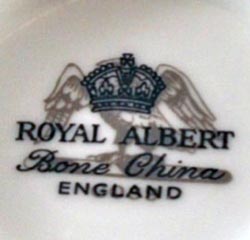
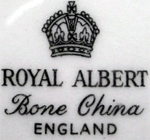
.1960s and 1970s Bone China Backstamp |
|
 |
|
|
 |
 |
 |
 |
 |
 |
 |
 |
 |
 |
| |
|
|
|
 |
 |
 |
Buyouts and Mergers |
 |
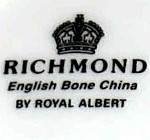
Richmond China was under the Allied English Potteries group of China Companies,
and it had patterns under the Richmond name that dated back to the 1950s.
Many of the Richmond Patterns started out as Shelley Patterns,
then were later made under the Royal Albert Name using an
Un-Named Royal Albert Bone China Backstamp,
Only four Richmond patterns had a Unique pattern name:
"Blue Poppy" " Blue Rock " “Rose Time” and "Wild Anemone"
In 1972, the Pearson Group acquired Royal Doulton, and merged it with Allied English Potteries and
the Richmond China patterns were absorbed under the Royal Albert name or were discontinued.
 |
 |
1964 Rosyln China and in 1966 Shelley China became part of Royal Albert under Allied English Potteries |
|
In 1970, all connection to
the founders T.C. Wild & Sons was dropped with the renaming
the company as Royal Albert Limited. |
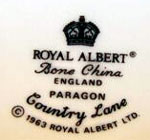 |
In the 1960s the Pearson Group
acquired Royal Albert and added them to their portfolio of ceramics
interests (Allied English Potteries) which at that time also included
other brands like Paragon.
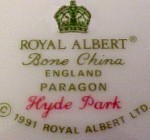
Patterns were released with the Royal Albert name added
beginning in 1991 and most ceased production by 1996

|
 |
 |
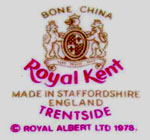
As Royal Doulton Brought or merged with other companies Such as Colclough and Royal Kent
the Backstamps also included the named of these companies

|
 |
In 1972,
the Pearson Group acquired Royal Doulton, which was then a listed
company, and merged it with Allied English Potteries. That merger
brought Royal Crown Derby, Royal Albert, Paragon and the Lawleys
chain of shops into Royal Doulton (which already owned the Royal
Doulton, Minton, John Beswick and Webb Corbett brands). |
|
|
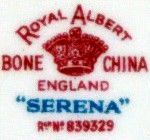
Patterns such as "Old English Roses" ceased shortly after this, we are informed about 1977, but have seen nothing definite on this date. "Serena" is another pattern that enjoyed enormous success that ceased about this time.
"American Beauty" has ceased production - 1998
|
|
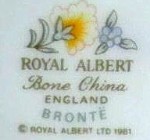
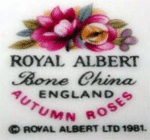
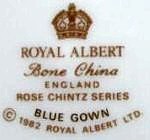
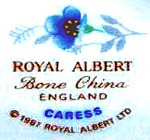
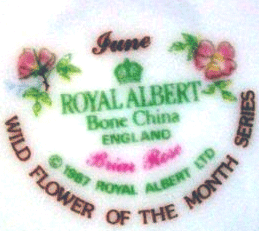
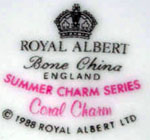
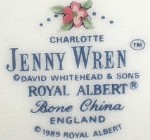
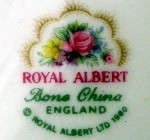
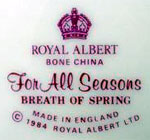
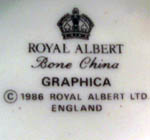
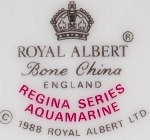
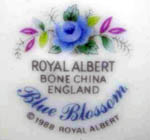
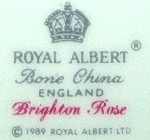
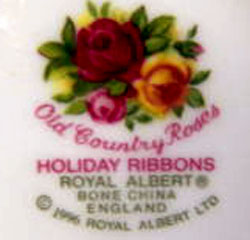
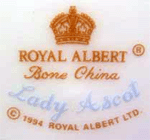
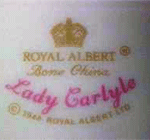
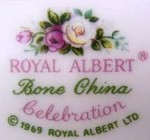
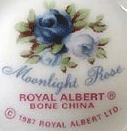
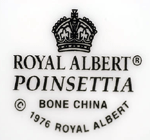
Backstamps in the 1980s for the first time had Copyright dates on them |
|
 |
|
|
 |
 |
 |
|
|
|
|
 |
 |
 |
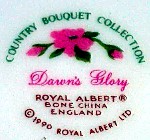
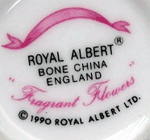
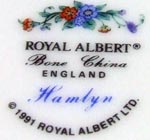
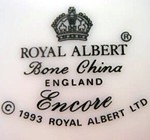
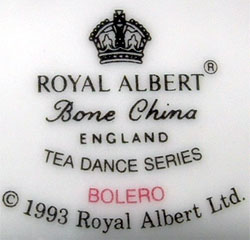
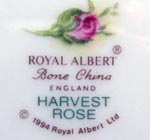
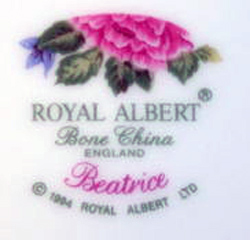
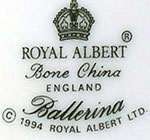
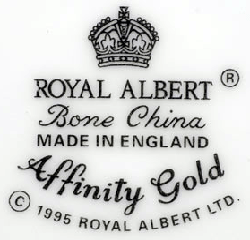
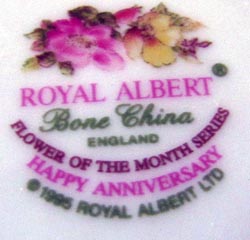
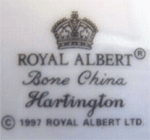
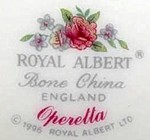
Backstamp of the 1990s |
 |
 |
 |
 |
 |
 |
 |
 |
 |
 |
 |
 |
 |
 |
In 1991,
Royal Doulton briefly dabbled with the Royal Albert name on their
hugely successful Beswick Beatrix Potter range of figurines (which
were made under license from Frederick Warne), but following adverse
collector reaction, quickly saw sense and changed back.
|
|
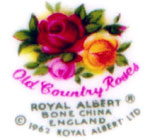
The Royal Albert
name has always been associated with tableware's of the highest
quality with patterns like "Old Country Roses" (designed by Harold
Holdcroft in 1962), and the more recent very popular "Moonlight
Rose" pattern. (Note: The yellow/orange colourway is called
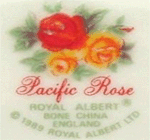
the Pacific Rose). |
|
 |
The Royal Doulton Group was "demerged" from the Pearson Group of companies in 1993,
and subsequently listed on the Stock Exchange (NB: Doulton was only
earning a 5% return, whereas other companies in the Pearson Group
were earning 10%). Looking back this was the "beginning of the
end" for Royal Albert, Beswick and may indeed be for Royal Doulton
itself. |
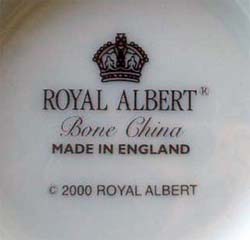
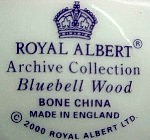
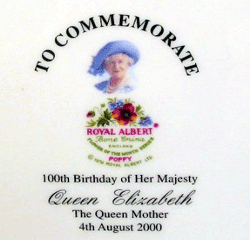
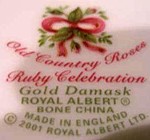
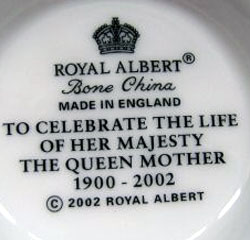
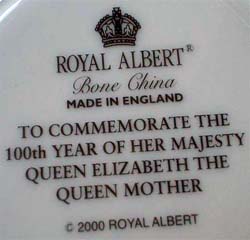
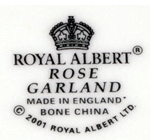
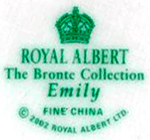
2000 - 2002 Backstamp that were "Made in England" |
 |
 |
 |
 |
 |
 |
 |
| . |
eJFyFQ~~60_57c.jpg)
|
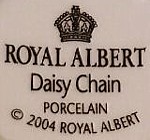
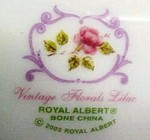
20th December
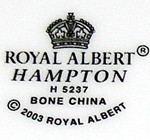
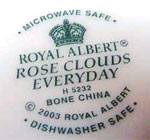
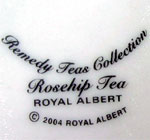
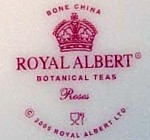
2002, Royal Doulton ceased Royal Albert production in England
and
moved manufacture to
"their state-of-the-art factory" in
Asia
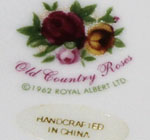
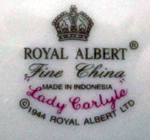
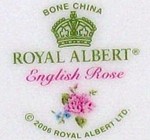
Backstamps from Patterns not "Made in England" do not have the word "England" on it. |
|
| . |
|
 |
 |
 |
 |
 |
 |
 |
 |
|
 |
 |
 |
 |
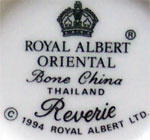
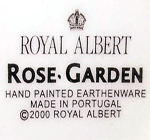
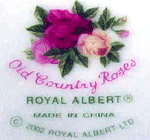
Some Backstamps actually say what country they were made in, besides England |
|
|
|
|
|
 |
 |
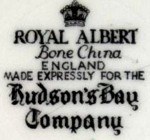
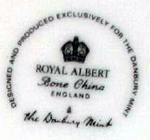
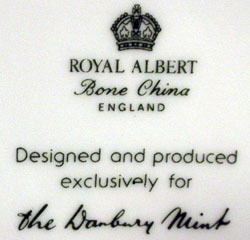
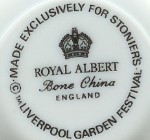
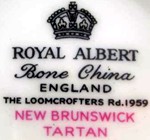
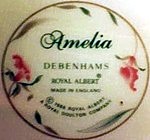
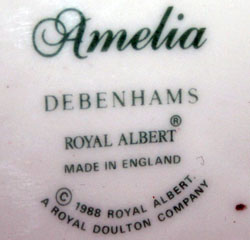
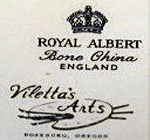
Patterns that were made exclusively for other Companies |
 |
 |
|
|
|
|
|
|
 |
Waterford Wedgwood completes a £39.9 million takeover of Royal Doulton February 2005
Nile Street closes on 15th April 2005 with 130 workers leaving the historic plant for the last time and
production of the Royal Doulton, Minton and Royal Albert brands transferred to factories of the Waterford Wedgwood group
Doulton announce the closure of its last remaining UK factory at Nile Street from mid-2005,
with the loss of approximately 500 jobs
|
|
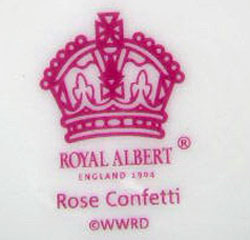
2009 - Royal Albert one of the three brands to survive the sale of Waterford Wedgwood assets to a
venture capital company following the failure of the parent company in late-2008.
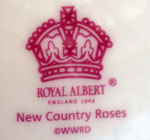
The Company is now known as "WWRD" as seen on the New 2012 Backstamps |
 |
"First"
and "Second" |
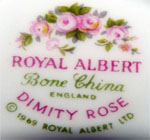 |
See the differences between a first and second quality Backstamp
The Second has a scratch thought he backstamp. |
 |
"First" |
"Second" |
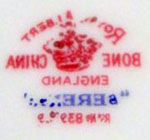
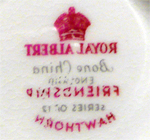
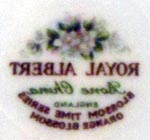
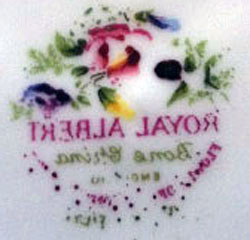
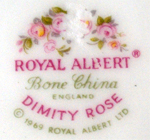
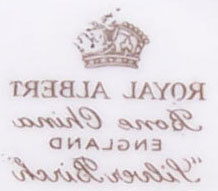
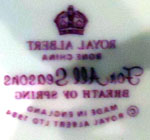
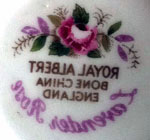
Backward or Miss - Printed Backstamps |
 |
|
 |
|
|
|
 |
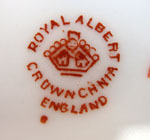 |
This backstamp the word China was misspelled "Chnia" |
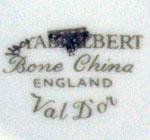 |
Miss - Printed Val D'or |
|
Miss Printed
Un-Named
1950s |
|
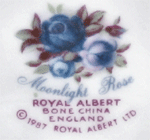
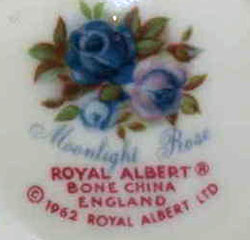
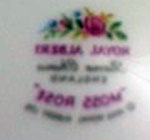
Moonlight Rose Copyright is 1987
In this Backstamp it was Mis-Printed 1962
1962 is the year that Old Country Roses's came out!
|
|
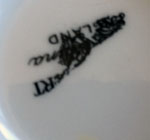
Backward and Mis Printed
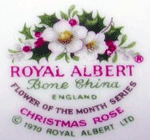
Flower of the Month
|
| |
 |
 |
Registered Numbers |
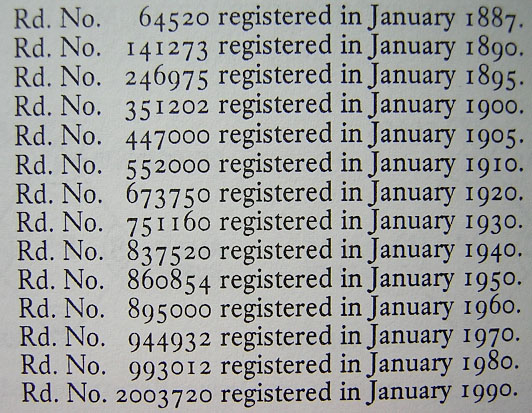
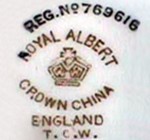
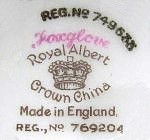
Backstamps can provide one indicator to age, registered numbers can also provide another. A registered number can be traced to a year of registration in either of Geoffrey Goddens excellent reference books "Encyclopedia of British Porcelain Manufacturers" or "Encyclopedia of British Pottery & Porcelain Marks" under Registered Designs. |
|
|
Backstamp - EST 1917 to 1925
But the Registration number
dates to 1931,
A pattern was not always registered prior to it's release.
|
And some backstamps
have two Reg. Nº's
And some Reg. Nº's are
assigned to several patterns
|
 |
Reg. Nº 730452 |
Blossom |
Reg. Nº 749633 |
Buttercup, Cherry Ripe, Christmas Rose, Clifton, Dainty Dinah, Dorothy, Florette, Foxglove, Happyland, Jazz, Lady Gay, Marlborough, Narcissus, Persian, Rosalie, Russet, Springtime, The Walton, Virginia, Wembley, Woodlawn |
Reg. Nº 749102 |
Trigo |
Reg. Nº 753279 and 753230 |
Romance |
Reg. Nº 761682 |
June |
Reg. Nº 761696 |
Virginia |
Reg. Nº 763439 |
Aldiner |
Reg. Nº 763616 |
Dovecot, Primrose |
Reg. Nº 767526 |
Buttercup, Honeysuckles, Springtime |
Reg. Nº 769204 |
Foxglove |
Reg. Nº 769206 |
Crocus |
Reg. Nº 769616 |
April Showers (Brown), Blackthorn, Buttercup, Corn Cockle, Florette, Gloria(Black), Iris - Hand Painted, Japonia, Happyland, Lady Gay, Lilac Time, Pansy, Poppyland, Primrose, Royalty, Valencia |
Reg. Nº 769618 |
Laburnm |
Reg. Nº 773311 |
Royalty |
Reg. Nº 774783 |
Greenwood Tree |
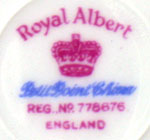
Reg. Nº 778676 |
Petit Point China |
Reg. Nº 784772 |
Bouquet, Catkin, Daffodil, Embassy, Hydrangea, Lady Gay, Pansy, Springtime |
Reg. Nº 787854 |
Hydrangea |
Reg. Nº 789374 |
Lido |
Reg. Nº 791148 |
Lay Gay |
Reg. Nº 794026 |
Laburnm |
Reg. Nº 794028 |
Alpine, Bohemia, Chequers, Dorothy, Kelvin, Laburnm, Princess Marina, Rainbow, Rhodian, Star of Eve, Valencia |
Reg. Nº 794373 |
Charmaine |
Reg. Nº 799933 |
Blossom Time |
Reg. Nº 808265 |
Iris |
Reg. Nº 821113 |
Prudence |
Reg. Nº 808163 |
Devonshire Lace |
Reg. Nº 822899 |
Loyalty |
Reg. Nº 823059 |
Tulip |
Reg. Nº 823404 |
Mary's Garden |
Reg. Nº 828436 |
Pansy Shawl |
Reg. Nº 829286 |
Needlepoint |
Reg. Nº 830479 |
Harebell |
Reg. Nº 832394 |
Lady Hamilton |
Reg. Nº 832881 |
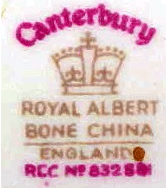
Albany Blue, Albany Green, Canterbury |
Reg. Nº 836506 |
Royal Brocade |
Reg. Nº 837063 |
Valentine |
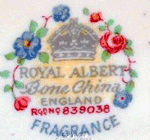
Reg. Nº 839038 |
Fragrance |
Reg. Nº 839056 |
Tea Rose |
Reg. Nº 839142 |
Nosegay |
Reg. Nº 839184 |
Chelsea Bird |
Reg. Nº 839329 |
Serena |
Reg. Nº 843317 |
Primulette |
Reg. Nº 855747 |
Milady |
| |
Reference Pages
Extra information about your Royal Albert China.
|
|
|
|
|
|
|
|
 |
 |
|
 |
|
|
|
"All Patterns" Named Patterns
All the Named patterns are listed on the pages below in alphabetical order.
We try to have a photo's of the teacups and saucers in each shape they came in.
Also there are photo's of all the different backstamps of each pattern.
|
|
|
|
|
|
|
|
|
|
|
|
|
|
|
|
|
|
|
|
|
|
|
|
|
|
|
|
|
|